Әзербайжан дәстүрлі медицинасындағы дәрілік өсімдіктер: этноботаникалық білім және фармакологиялық әлеует
DOI:
https://doi.org/10.62183/2026-1-Кілт сөздер:
дәстүрлі медицина, этноботаникалық мұра, фитотерапия, фармакологиялық валидация, ӘзербайжанАңдатпа
Дәстүрлі медицина – өткен күннің қалдығы емес, заманауи денсаулық сақтау жүйесінің іргетасы болып табылатын стратегиялық ресурс. Синтетикалық фармакологияның үстемдігіне қарамастан, дәрілік өсімдіктер терапиялық парадигманың баламасыз қайнар көзі болып қала береді. Ежелгі өркениеттер тоғысында орналасқан Әзербайжан өзінің ерекше ботаникалық суверенитетімен және мыңжылдықтар бойы патологияларға қарсы жүйелі түрде қолданылып келген терең этномедициналық дәстүрлерімен ерекшеленеді.
Бұл зерттеу Әзербайжанның жергілікті флорасына басымдық бере отырып, негізгі дәрілік таксондардың фармакологиялық қасиеттері мен терапиялық тиімділігін қатаң ғылыми сараптауды мақсат етеді. Дәлелді медицина қағидаттарына сүйене отырып, 2005–2024 жылдар аралығындағы PubMed, Scopus, Web of Science және Google Scholar сияқты элиталық дерекқорлардағы 118 іргелі ғылыми еңбекке терең ретроспективті талдау жасалды.
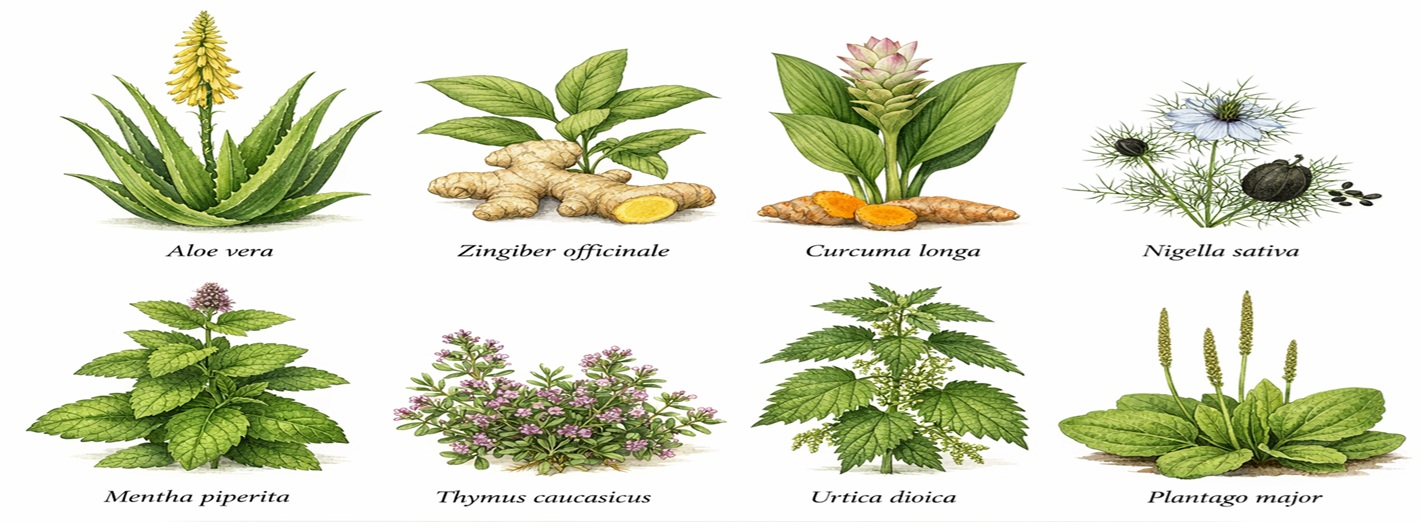
Зерттеу нәтижелері Zingiber officinale мен Curcuma longa сияқты жаһандық түрлермен қатар, Әзербайжанның этно-таксондары – Thymus caucasicus, Urtica dioica және Plantago major-дың қабынуға қарсы, микробқа қарсы және регенеративті қасиеттері бойынша синтетикалық баламалардан еш кем түспейтінін растайды. Бұл Әзербайжан халық медицинасының тарихи тұрғыдан ескерусіз қалған, бірақ іс жүзінде өте күрделі эмпирикалық жүйе екенін дәлелдейді.
Қорытындылай келе, дәрілік өсімдіктерді заманауи дәлелді медицинаның ажырамас бөлігі ретінде қарастыру – уақыт талабы. Традициялық білімді маргиналдандыру үдерісіне клиникалық валидация арқылы тосқауыл қою қажет. Бұл мақала этно-тарихи деректерді заманауи фармакологияға интеграциялау арқылы биологиялық және мәдени тұрақтылықты қамтамасыз етуге бағытталған ғылыми үндеу болып табылады.
Әдебиеттер тізімі
Ali B.H., Blunden G. (2003). Pharmacological and toxicological properties of Nigella sativa. Phytotherapy Research, 17, 299–305.
Ekor M. (2014). The growing use of herbal medicines: issues relating to adverse reactions and challenges in monitoring safety. Frontiers in Pharmacology, 4, 177.
El-Saadony M.T., et al. (2023). Medicinal plants: bioactive compounds, pharmacological activities and applications. Microbial Pathogenesis, 177, 106015.
Grzanna R., Lindmark L., Frondoza C.G. (2005). Ginger—an herbal medicinal product with broad anti-inflammatory actions. Journal of Medicinal Food, 8(2), 125–132.
Gupta R., Malhotra A. (2004). Therapeutic potential of Aloe vera in dermatological conditions. Journal of Dermatological Treatment, 15(4), 235–240.
Hewlings S.J., Kalman D.S. (2017). Curcumin: a review of its effects on human health. Foods, 6(10), 92.
Khanna R., MacDonald J. (2014). Peppermint oil for the treatment of irritable bowel syndrome: a systematic review. Digestive Diseases and Sciences, 59, 2771–2781.
Latif R. (2020). Medicinal plants and their impact on human health. Journal of HerbMed Pharmacology, 9(1), 1–7.
Pacyga K., et al. (2024). Medicinal plants and gut microbiome interactions. International Journal of Molecular Sciences, 25, 11245.
Sharifi-Rad J., et al. (2020). Curcumin and its therapeutic potential: a comprehensive review. Frontiers in Pharmacology, 11, 1021.
Swastini D.A., et al. (2022). Ethnopharmacological approaches in medicinal plant research. Journal of Applied Pharmaceutical Science, 12(3), 1–10.
Həsənov Z. (2018). Azərbaycan xalq təbabətində dərman bitkilərinin tətbiqi. Azərbaycan Tibb Jurnalı, 4, 55–63.
İsmayılova R., Məmmədov R. (2010). Azərbaycanın şifalı bitkilərinin etnobotanik xüsusiyyətləri. Bakı: Elm.
Əlizadə V. (2016). Azərbaycan florasının dərman bitkiləri. Bakı: Təhsil.